AI Cameras: From Driver Safety to Everyday Life – Intelligent Sensors Expanding Their Role
AI Cameras: From Driver Safety to Everyday Life – Intelligent Sensors Expanding Their Role
AI Cameras: From Driver Safety to Everyday Life – Intelligent Sensors Expanding Their Role
Smart cameras that read faces gain attention across academia and industry
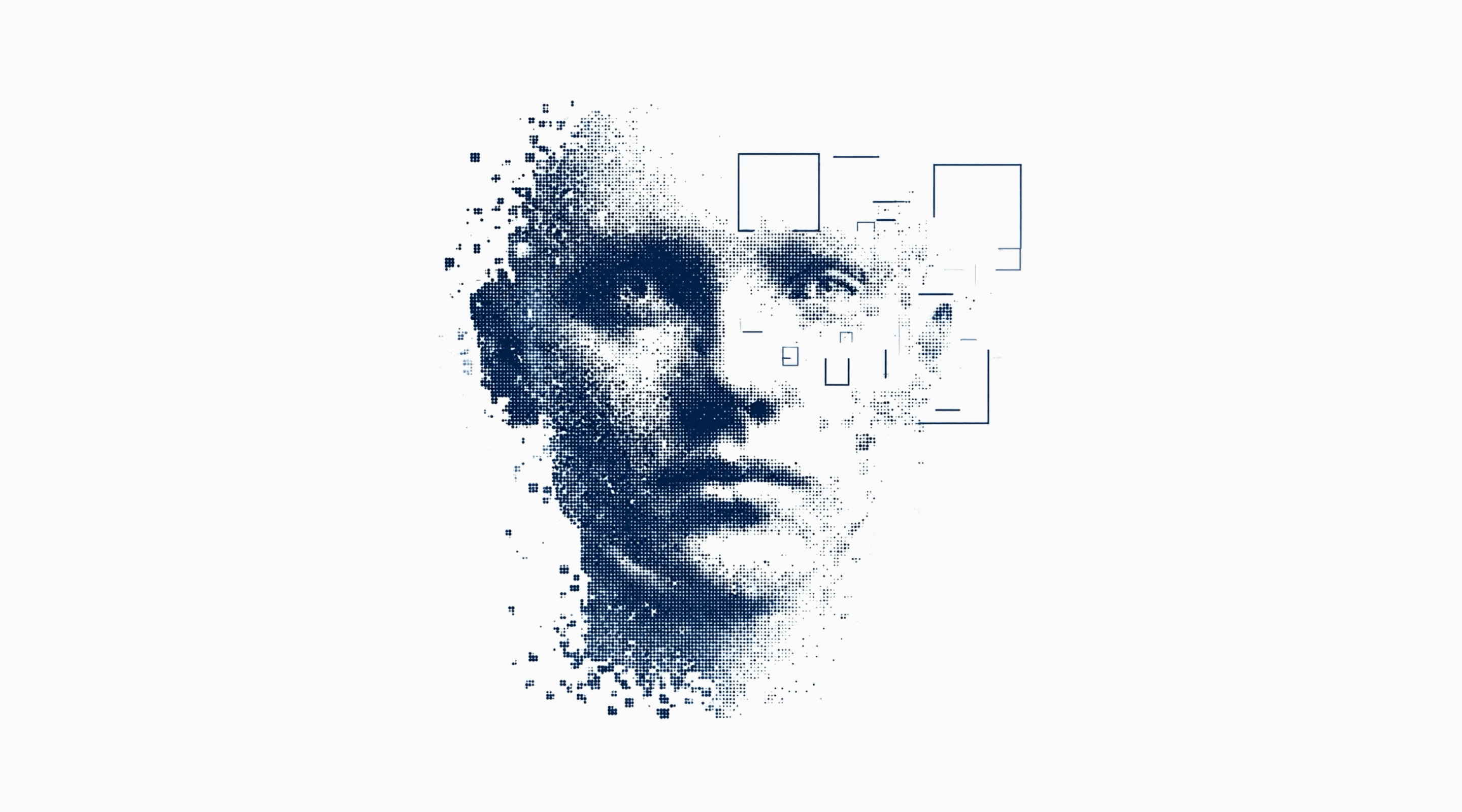
Cameras That Read Faces—Gaining Attention in Academia and Industry
AI cameras are evolving from simple recording devices into intelligent sensors that analyze facial features and interpret a person’s condition. Recently, researchers have been using machine-learning frameworks like Google’s open-source MediaPipe to recognize facial movements such as blink rate, gaze direction, pupil dilation, and micro-expressions to measure attention level and fatigue.
In the mobility, manufacturing, and security industries, face-reading cameras are increasingly being used to enhance safety and operational efficiency.
ENPLUG’s AI Camera: CES Demo and Expansion Potential
ENPLUG plans to showcase its driver-monitoring AI camera at the upcoming CES. The technology detects drowsiness or fatigue by analyzing blink rate, gaze direction, micro-expressions, and other facial cues. Beyond detecting drowsiness, it can predict biometric signals that indicate when a driver may need a break, helping prevent accidents and improving driver safety.
This technology is expanding beyond driver safety into everyday life.
For example, in study cafés or online learning environments, AI cameras can do more than measure how long a student sits at a desk—they can analyze facial expressions and eye movements to determine how focused the student actually is. This allows teachers or learning platforms to objectively understand students’ engagement levels and provide personalized learning feedback.
AI face-reading cameras are also useful in industrial settings where precision is critical. In workplaces that require intense concentration—such as engineering or micro-assembly—a camera can monitor fatigue and stress signals in real time, helping maintain productivity while significantly reducing safety risks.
In fields like aviation maintenance or semiconductor production, even minor lapses in concentration can lead to serious outcomes, making AI-based monitoring a potential new standard for workplace safety.
In healthcare and remote medical services, this technology can bring meaningful change. Without wearable devices, a camera alone can detect facial signals related to heart rate changes or stress patterns, helping medical staff remotely assess a patient’s condition. This can be especially valuable for chronic disease patients, seniors, or individuals with limited access to medical facilities.
Finally, in airports or public security environments, AI cameras can evolve from simple identity verification to detecting unusual behavior or sudden confusion in real time. This strengthens traditional systems for terrorism prevention, accident response, and public safety, while enabling more precise security monitoring.
Conclusion:
AI cameras are evolving from devices that simply see to platforms that understand. They no longer just record visuals—they interpret human states and respond intelligently. ENPLUG’s CES demonstration may have started with driver safety, but the technology is already expanding into education, industry, healthcare, and security.
Going forward, AI cameras will become a new interface that connects people and intelligent systems, and ENPLUG aims to lead this transformation into the future.
Cameras That Read Faces—Gaining Attention in Academia and Industry
AI cameras are evolving from simple recording devices into intelligent sensors that analyze facial features and interpret a person’s condition. Recently, researchers have been using machine-learning frameworks like Google’s open-source MediaPipe to recognize facial movements such as blink rate, gaze direction, pupil dilation, and micro-expressions to measure attention level and fatigue.
In the mobility, manufacturing, and security industries, face-reading cameras are increasingly being used to enhance safety and operational efficiency.
ENPLUG’s AI Camera: CES Demo and Expansion Potential
ENPLUG plans to showcase its driver-monitoring AI camera at the upcoming CES. The technology detects drowsiness or fatigue by analyzing blink rate, gaze direction, micro-expressions, and other facial cues. Beyond detecting drowsiness, it can predict biometric signals that indicate when a driver may need a break, helping prevent accidents and improving driver safety.
This technology is expanding beyond driver safety into everyday life.
For example, in study cafés or online learning environments, AI cameras can do more than measure how long a student sits at a desk—they can analyze facial expressions and eye movements to determine how focused the student actually is. This allows teachers or learning platforms to objectively understand students’ engagement levels and provide personalized learning feedback.
AI face-reading cameras are also useful in industrial settings where precision is critical. In workplaces that require intense concentration—such as engineering or micro-assembly—a camera can monitor fatigue and stress signals in real time, helping maintain productivity while significantly reducing safety risks.
In fields like aviation maintenance or semiconductor production, even minor lapses in concentration can lead to serious outcomes, making AI-based monitoring a potential new standard for workplace safety.
In healthcare and remote medical services, this technology can bring meaningful change. Without wearable devices, a camera alone can detect facial signals related to heart rate changes or stress patterns, helping medical staff remotely assess a patient’s condition. This can be especially valuable for chronic disease patients, seniors, or individuals with limited access to medical facilities.
Finally, in airports or public security environments, AI cameras can evolve from simple identity verification to detecting unusual behavior or sudden confusion in real time. This strengthens traditional systems for terrorism prevention, accident response, and public safety, while enabling more precise security monitoring.
Conclusion:
AI cameras are evolving from devices that simply see to platforms that understand. They no longer just record visuals—they interpret human states and respond intelligently. ENPLUG’s CES demonstration may have started with driver safety, but the technology is already expanding into education, industry, healthcare, and security.
Going forward, AI cameras will become a new interface that connects people and intelligent systems, and ENPLUG aims to lead this transformation into the future.